Peace Love Nursing Retro SVG Review: A Timeless Embroidery Design
As an experienced embroidery designer and product reviewer, I often find myself evaluating digital designs for their real-world usability. The Peace Love Nursing Retro SVG caught my eye not just because of its nostalgic theme but also for how it could fit into a variety of craft and commercial projects. Let me walk you through my practical assessment of this design from the perspective of someone who uses SVGs daily in custom apparel, handmade gifts, and small shop products.
First Impressions and Visual Personality
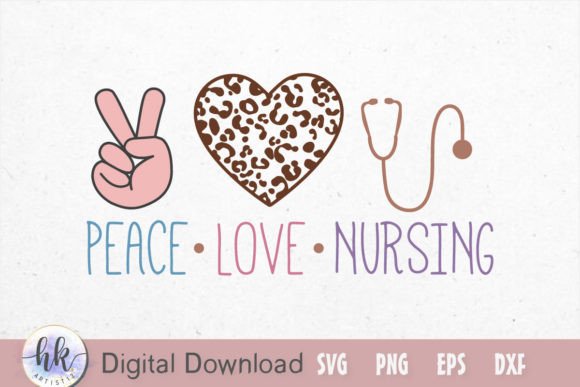
The first thing that stands out about the Peace Love Nursing Retro SVG is its vintage-inspired aesthetic. It features a classic nurse motif paired with soft, stylized text reading “Peace Love,” which immediately evokes a sense of warmth and care. The overall layout is balanced—neither too busy nor too sparse—which makes it versatile for different applications.
What I appreciate most is how the design manages to blend simplicity with meaningful detail. The nurse figure is outlined clearly enough for stitch clarity but retains a hand-drawn charm that feels authentic. The retro style gives it a timeless quality, perfect for creating personalized gifts or adding character to boutique-style items like tote bags, baby clothes, or holiday-themed décor.
Design Layout and Detail Level
This SVG has been thoughtfully structured. The transparent background allows for easy placement on mockups and physical items alike. The 6×6 inch size is generous for many common embroidery hoops, though as always, it’s wise to confirm your machine's maximum hoop dimensions before committing to a project.
I noticed that the lettering is fairly large, making it legible even at a glance. This is especially helpful when the design is used on items like sweatshirts or aprons where readability matters. However, if you're considering using it in a smaller format—for example, on a patch or cap—it might need some resizing and tweaking to ensure the details don’t get lost in translation.
Real-Life Use Cases and Project Fit
Let’s imagine a scenario: You’re preparing a custom embroidered sweatshirt for a local wellness boutique. The client wants something that conveys care and positivity without being overly flashy. That’s where the Peace Love Nursing Retro SVG shines. Its gentle curves and muted tone make it ideal for a soft, elegant satin stitch on cotton-blend fabric.
On a tote bag, this design could be stitched with a combination of running and fill stitches, depending on the fabric weight and desired texture. For baby clothes, the same principle applies—using a lighter thread color can make the design feel more delicate and appropriate for young children. In both cases, the design maintains its visual integrity while complementing the product’s purpose.
When applied to holiday gifts like embroidered pillows or kitchen towels, the retro vibe adds a cozy, personal touch. It’s also suitable for printable mockups, helping Etsy sellers or digital product creators showcase what their finished item will look like without having to sew it every time.
Where to Use with Caution
While this design is well-suited for many applications, there are certain limitations worth noting. First, the size and detail level may not translate well to very small hoop sizes. If you plan to shrink it significantly for a patch or a tiny applique, test it on scrap fabric to see if the lines remain clean and the text is still readable.
Second, the design may struggle on textured or stretchy fabrics due to potential stitch distortion. On materials like felt or denim, the result could be uneven unless proper stabilizer is used. Similarly, thin or dark fabrics might require careful selection of thread colors to maintain visibility and impact.
If you're working on curved surfaces such as caps or hats, consider how the design aligns with the curvature. A flat design like this may need some adjustment or rotation to sit correctly and avoid puckering.
Visual Appeal and Stitch Clarity
One of the key factors I look for in any embroidery file is how it translates from screen to fabric. The Peace Love Nursing Retro SVG does a commendable job here. The outlines are smooth and consistent, which is crucial for achieving professional-looking results. When stitched in black on a light-colored towel, the design pops beautifully and holds up well under scrutiny.
However, the density of the fill areas varies slightly depending on how the software interprets the layers. I recommend reviewing the stitch density settings before finalizing your project, especially if you're aiming for a lightweight look or if the fabric will be washed frequently.
Customer Perception and Giftability
In terms of customer appeal, this design ticks several boxes. It's friendly, approachable, and carries a subtle message of peace and love that resonates well in today’s market. As a personalized gift option, it works particularly well for parents, healthcare workers, or anyone who appreciates vintage-style inspiration.
Its use on handmade products like pillow covers or nursery decor enhances the perceived value of the item. Buyers recognize thoughtful, high-quality embroidery, and this design delivers that with its clear structure and cohesive theme. It also helps reinforce brand consistency for small businesses that want to offer a range of themed merchandise.
Designer Notes for Optimal Results
- Test on scrap fabric: Before stitching on a final product, run a test piece to evaluate how the design behaves with your specific machine and fabric setup.
- Check thread color contrast: Ensure the chosen thread complements the base fabric and doesn’t fade or clash. Lighter tones tend to work best on darker backgrounds and vice versa.
- Review stitch density: Adjust fill and satin stitch densities based on fabric type. Heavier fabrics may handle denser stitching better than lightweight ones.
- Confirm hoop size: While the design is 6×6 inches, double-check your machine's compatibility to prevent shifting or misalignment during stitching.
- Inspect small details: Look closely at corners and edges to ensure they won't snag or distort after stitching.
- Use proper stabilizer: Especially important for stretchy or thin materials to keep the design from warping or tearing.
- Test in black and white: See how the design looks without color bias. This is useful for printed previews or monochrome embroidery.
- Compare light and dark fabric backgrounds: Make sure the design remains visually appealing regardless of the base fabric shade.
- Confirm licensing before selling: Always verify the license terms associated with the design to ensure it's suitable for commercial use or resale of finished products.
Commercial and Digital Considerations
For Etsy sellers or those in the craft business, the Peace Love Nursing Retro SVG is a solid choice for digital embroidery files. It’s suitable for inclusion in design bundles or as a standalone asset in printables and mockups. Just remember to provide accurate information to buyers regarding recommended hoop sizes and fabric types.
If you're planning to use it for commercial embroidery projects, make sure the design fits within your production workflow. It should be compatible with standard embroidery software, but again, check for any specific requirements or restrictions related to usage rights.
Final Thoughts
The Peace Love Nursing Retro SVG is a design that brings a warm, vintage aesthetic to modern crafting. Whether you're creating custom apparel, holiday gifts, or digital assets for your craft business, this graphic offers a unique blend of simplicity and sentimentality.
It's not a one-size-fits-all solution, but with a bit of attention to fabric choices, stitch settings, and hoop compatibility, it can become a valuable addition to your design library. Think of it as a go-to for handmade products that benefit from a gentle, uplifting message—especially in the crafts and graphics space where personality and presentation matter just as much as quality.
So, if you're looking for an embroidery design that feels both nostalgic and relevant, this one is worth exploring—but always test it first. After all, the best way to know if a design works is to see it in action on your next project.