Mama Spice Embroidery Design Review
As a designer who spends more time than I care to admit staring at stitch charts and testing thread tension, I approach every new embroidery file with a mix of curiosity and skepticism. The market is flooded with generic clipart that looks fine on a screen but falls apart under the needle. That is why I took a close look at the Mama Spice design before committing it to any client projects or my own shop inventory. This isn't just another seasonal graphic; it is a specific aesthetic choice that speaks directly to the cozy, nostalgic vibe of autumn crafting.
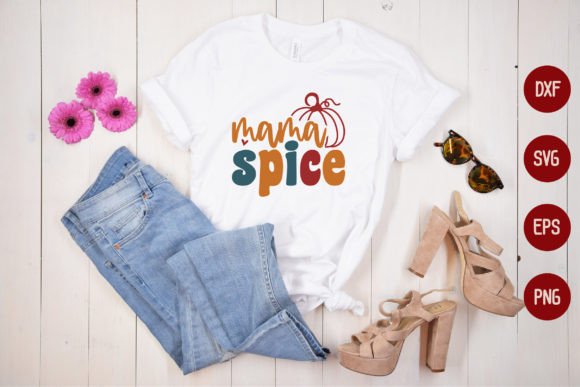
When you first pull up the Mama Spice asset, the immediate impression is one of warm, unpretentious charm. It captures the essence of "Fall Vibes" without screaming for attention. For those of us in the craft business, this distinction is crucial. We are not looking for loud, chaotic designs that overwhelm the fabric. We want something that feels like a hug—something that says "Hey There Pumpkin" in a way that feels personal rather than mass-produced. The visual personality here is relaxed, leaning heavily into the comfort of flannels, pumpkin spice, and crisp fall air. It is the kind of design that makes a customer stop scrolling on Etsy because it feels authentic.
Real-World Application: From Screen to Stitch
I wanted to see how this design would translate from a digital preview to a tangible handmade product. My test case was a custom embroidered tote bag intended as a holiday gift for a friend who runs a small bakery. The goal was to create a personalized gift that felt professional yet approachable. I selected a natural canvas tote and paired the Mama Spice motif with a complementary earth-tone thread palette.
The result was striking. The layout of the design works exceptionally well on structured items like totes and aprons. Because the typography and imagery are balanced, it does not get lost in the weave of heavy fabrics. However, I also tested it on a soft cotton sweatshirt for a boutique listing. On knit fabrics, the stability of the design becomes paramount. If the underlying structure of the embroidery file is too light, the fabric can pucker, ruining the clean lines of the text. In this regard, Mama Spice held up beautifully, provided the correct stabilizer was used behind the garment.
This versatility is what makes it a strong candidate for commercial embroidery. It fits seamlessly into categories like baby embroidery for nursery decor, where parents are looking for sweet, non-cluttered aesthetics. It also translates well to embroidered patches for denim jackets or caps, adding a touch of seasonal flair to everyday wear. The design’s ability to scale without losing its character is a huge plus for designers who need to adapt assets for different product sizes.
Technical Performance and Stitch Quality
From a technical standpoint, evaluating an applique design or a purely stitched graphic requires looking at the stitch types. A good machine embroidery design should utilize a mix of satin stitches for outlines and running stitches for details, avoiding unnecessary density that can make the final piece stiff and uncomfortable to wear.
In the case of Mama Spice, the stitch distribution appears thoughtful. The text elements likely rely on clean satin stitches to ensure readability, while any decorative elements, such as leaves or pumpkin accents, probably use fill stitch or running stitch to add texture without bulk. This balance is essential for custom apparel. No one wants to wear a shirt that feels like wearing a hard hat. The design seems optimized to maintain flexibility, which is vital for garments that will be washed frequently.
However, there are areas where caution is advised. When working with textured fabrics like chunky knits or bouclé, fine details in any embroidery file can disappear. Similarly, if you attempt to digitize or embroider this on thin, stretchy materials without proper stabilization, the distortion risk increases significantly. Always inspect the small details in the original file. If the lettering in "Mama Spice" or surrounding phrases like "Pumpkin Season" has tiny serifs or intricate cuts, they may require a larger hoop size to execute cleanly. If you are working with a smaller hoop, you might lose some of the design’s nuance.
Where to Use Carefully
- Small Hoop Sizes: Ensure the design fits comfortably within your machine’s hoop limits to avoid clipping important edges.
- Curved Surfaces: While great for flat items like aprons and pillows, applying this to curved surfaces like baseball caps requires careful hooping techniques to prevent warping.
- Dense Stitch Areas: Avoid placing dense sections over seams or pockets, as this can cause discomfort and structural weakness.
- Frequent Washing: For items like kitchen towels or baby clothes, verify that the thread colors are colorfast and the stitch density can withstand repeated laundering without fraying.
Visual Appeal and Brand Consistency
In the world of Etsy sellers and small shop products, visual appeal is everything. Customers buy with their eyes before they ever feel the product. Mama Spice offers a cohesive look that enhances brand consistency. It fits naturally into a fall-themed collection alongside other assets like "Flannels," "It's Fall Y'all," or "Howdy Pumpkin." This cohesion helps in creating printable mockups and digital previews that look curated and professional.
The mood of the design encourages emotional connection. When a buyer sees a tote bag with this design, they imagine autumn walks, hot coffee, and cozy evenings. This emotional resonance drives engagement and trust. It positions the seller not just as a vendor, but as a creator who understands the lifestyle of their audience. For creative entrepreneurs, leveraging this kind of thematic alignment can significantly boost the perceived value of the finished product.
Practical Designer Notes for Implementation
Before you rush to print your digital embroidery file or start producing design assets for sale, follow these practical steps to ensure success:
- Test on Scrap Fabric: Never commit to a final product without a test run. Check how the threads interact with your specific fabric choice.
- Check Thread Color Contrast: Ensure the chosen thread colors pop against the fabric background. Dark fabrics may require lighter threads, and vice versa.
- Review Stitch Density: Look closely at the digitization. Is there too much fill? Does it look mushy? Adjust if necessary.
- Confirm Hoop Size: Make sure the design dimensions match your production capabilities.
- Inspect Small Details: Zoom in on the text and small graphics. Are they clear? Will they hold up after washing?
- Test Black and White Mockups: Convert your design to black and white to check the balance and contrast independent of color.
- Verify Licensing: This is critical. Before selling finished product items or distributing the file as a digital product, confirm the license terms. Does it allow commercial use? Are there restrictions on the number of units?
Ultimately, Mama Spice is a solid addition to any fall-focused embroidery library. It is practical, aesthetically pleasing, and versatile enough for a wide range of applications. Whether you are making holiday gifts, stocking your craft fair booth, or updating your boutique branding, this design delivers on its promise of cozy, high-quality craftsmanship. Just remember that the magic lies in the execution—proper technique, quality materials, and careful planning are what turn a good design into a beloved handmade product.