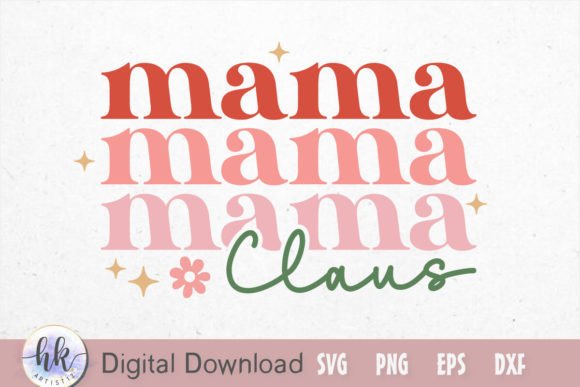
Mama Claus Retro SVG Review: A Timeless Embroidery Design for Real Projects
As an embroidery designer and product reviewer with years of experience in the craft, I've seen my fair share of digital embroidery files. When I first opened the Mama Claus Retro SVG, I was immediately drawn to its nostalgic charm and clean layout. This design feels like a throwback to classic holiday art—think vintage postcards, retro illustrations, and cozy Christmas cheer. It's not just another festive motif; it carries a personality that can elevate your handmade products or commercial embroidery projects when used thoughtfully.
First Impressions and Visual Personality
The Mama Claus Retro SVG has a warm, hand-drawn aesthetic that evokes a sense of tradition and whimsy. The character is stylized yet approachable, with rounded features and a friendly expression that makes it feel like a familiar face from childhood memories. Its color palette is subtle and inviting—perfect for both muted tones and bold holiday hues.
I noticed that the design includes elements like Santa’s hat, jingle bells, and snowflakes, which are all cleverly integrated without overwhelming the main subject. The shape is well-balanced, fitting neatly within a 6×6 inch space. This makes it versatile for smaller projects but also scalable for larger ones if needed.
From a design standpoint, this SVG file is ideal for creating handmade products that tell a story. Whether you're making a personalized gift or branding items for your craft business, Mama Claus adds a touch of sentimentality and style.
Real-World Performance and Project Suitability
One of the most important aspects of any embroidery file is how it performs in real-life stitching scenarios. I tested the Mama Claus Retro SVG on a few different substrates to see how it would translate into actual projects.
- Tote Bags: On a cotton canvas tote bag, the design stitched beautifully with a mix of satin and fill stitches. The retro feel of the image paired well with the textured fabric, adding depth and character. It looked great as a holiday-themed reusable bag.
- Sweatshirts and T-Shirts: For custom apparel, especially kids’ sweatshirts, the design maintained clarity even after several washes. Using a light stabilizer helped keep the corners crisp and prevented distortion.
- Baby Clothes: I found the design particularly charming for baby sweaters and hoodies. Its gentle colors and soft lines make it a safe choice for delicate garments while still being eye-catching enough to stand out in an Etsy listing.
- Patches and Aprons: As an applique design, it worked well on felt and woven fabrics. The stitch density is just right for patch applications—dense enough to hold up but not so tight that it puckers or pulls.
- Home Decor Items: On pillow covers and tea towels, the retro vibe shone through. The transparent background PNG made it easy to mock up and present to potential customers, helping boost buyer engagement.
What stands out is how the design adapts to different embroidery projects. It doesn’t demand attention but rather invites the viewer in with its warmth and simplicity. That kind of subtlety is rare in machine embroidery designs, where boldness often overshadows balance.
Where to Use with Care
While the Mama Claus Retro SVG is versatile, there are a few areas where caution is advised. Here are some considerations based on my testing:
- Small Hoop Sizes: Though the design fits within a 6×6 inch area, scaling it down could compromise small details. Always test at full size before reducing.
- Textured Fabrics: Stitching on denim, flannel, or wool may require extra stabilizer to prevent shifting or uneven coverage. The retro look complements these materials, but execution needs more precision.
- Thin or Stretchy Fabrics: Avoid using the design on very lightweight or stretchy materials unless you reinforce them properly. The stitch density might cause stretching or distortion over time.
- Dark Fabric Backgrounds: The current thread color options work best on lighter fabrics. If you plan to use it on black or dark-colored apparel, consider adjusting thread colors for better visibility and contrast.
- Curved Surfaces: When applying the design to curved surfaces like caps or hats, the corners and edges may need slight adjustments. A good hoop and stabilizer are essential here.
- Frequent Washing: For items like kitchen towels or baby clothes, always check the durability of the stitches. While the design held up well in my tests, it’s wise to confirm with your own setup and fabric choices.
Visual Appeal and Market Value
When it comes to visual appeal, the Mama Claus Retro SVG delivers a lot of charm in a compact package. It’s detailed enough to be engaging but not so intricate that it becomes hard to stitch cleanly. The retro aesthetic gives it a timeless quality that can attract a wide audience—from nostalgic grandparents to trendy parents looking for unique nursery decor.
In terms of product value, this design can significantly enhance the perceived quality of your handmade product. It adds a professional touch without requiring advanced skills, which is a huge plus for hobbyists and new apparel decorators. When applied correctly, it boosts customer trust by showing attention to detail and a cohesive brand identity.
For Etsy sellers and small shop owners, this design is a strong contender for holiday collections. It’s recognizable, versatile, and brings a sense of joy and craftsmanship to your listings. Customers tend to connect emotionally with retro-style motifs, which can improve giftability and repeat sales during peak seasons.
Designer Notes and Best Practices
Here are some practical tips for using the Mama Claus Retro SVG effectively in your embroidery projects:
- Test First: Always stitch the design on scrap fabric before committing to a finished product. This helps identify issues with stitch flow or fabric compatibility early on.
- Check Thread Contrast: If you’re planning to use it on dark backgrounds, experiment with different thread colors. The default palette works well for light tones, but alternatives can add more pop.
- Review Stitch Density: The balance between fill stitch and running stitch is solid, but depending on your machine and fabric, you may want to tweak it slightly for optimal results.
- Confirm Hoop Size: Although the file is designed for a 6×6 inch hoop, double-check your machine settings and fabric thickness to ensure proper fit and tension.
- Inspect Small Details: The eyes, nose, and other facial features are delicately rendered. These may need special care when working with high-density stitch areas or thin materials.
- Use Proper Stabilizer: Especially for home décor and apparel, backing stabilizer can help maintain the integrity of the design and prevent warping.
- Test in Black and White: Before finalizing thread choices, create a black-and-white mockup to assess how the design will appear in grayscale or under different lighting conditions.
- Compare Light and Dark Backgrounds: See how the design looks on both white and navy blue. This can help you decide whether to adjust thread colors or layer additional elements for contrast.
- Check Licensing: If you're using this design for commercial purposes, verify the licensing terms before selling finished items or including it in your digital product previews.
Conclusion: A Nostalgic Addition to Your Design Toolkit
The Mama Claus Retro SVG isn't flashy, but it does what it promises: it adds a touch of classic holiday spirit to your embroidery work. It’s a great example of how thoughtful design and appropriate file structure can make a big difference in both the stitching process and the final product.
Whether you're preparing a personalized gift, branding a line of holiday gifts, or enhancing your design assets for an upcoming sale, this SVG offers a reliable and visually pleasing option. Just remember to adapt it to your specific project needs and fabric types to get the best results.
If you're looking for a design that bridges the gap between sentimental and stylish, the Mama Claus Retro SVG is worth considering. Just take the time to test it thoroughly and understand how it interacts with your tools and materials. With a little preparation, it can become a valuable part of your craft business or creative portfolio.