Not Perfect Just Forgiven Retro SVG Review for Real Projects
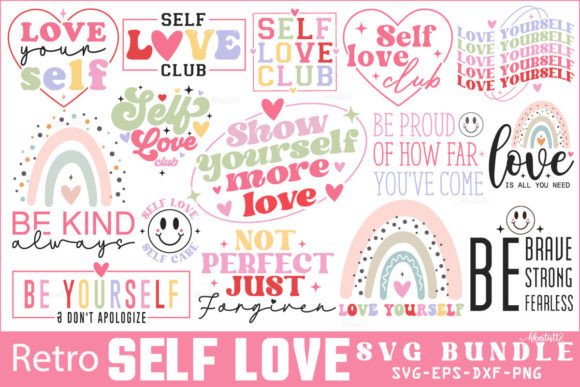
As an experienced embroidery designer and product reviewer, I've tested countless digital embroidery files over the years. When I first opened Not Perfect Just Forgiven Retro SVG, it immediately caught my eye with its nostalgic charm and warm sentiment. The design is a perfect blend of retro typography and soft, approachable lettering that feels both comforting and stylish. It’s not just another quote—it has a visual personality that invites thoughtful placement in various handmade or commercial projects.
First Impressions and Design Aesthetic
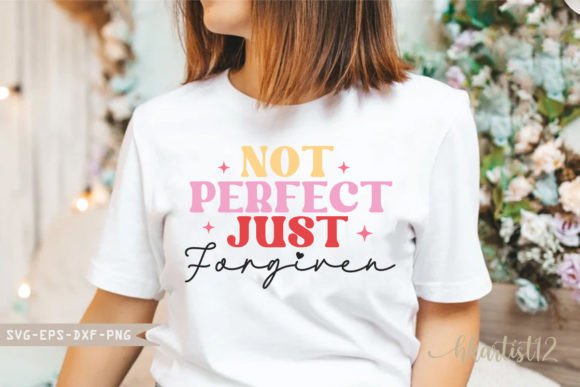
The phrase “Not Perfect Just Forgiven” carries emotional weight, and the SVG layout reflects that. The letters are spaced generously, with subtle serifs and a slightly distressed look that gives it that classic vintage feel. This isn’t a high-contrast, bold statement piece; instead, it leans into a softer, more reflective tone. That makes it ideal for handmade products where intentionality and sentiment matter—like custom apparel, tote bags, or nursery decor.
I found myself imagining this on a cozy sweatshirt for a boutique line, or as part of a set of holiday gifts. The theme is universally relatable and emotionally resonant, which is key when creating personalized gifts or items for resale. As someone who works with Etsy sellers and small craft businesses, I know how important it is for designs to speak to a specific mood—and this one does that well.
Layout and Readability
One thing I always check is whether the text is legible after stitching. With this design, the balance between spacing and font style is good. However, because of the retro aesthetic, some details may be thinner than modern block fonts. If you're using it for something like a baby onesie or a cap, you’ll need to test carefully to ensure the message remains clear and readable after embroidery.
Real-Life Embroidery Performance
I recently used Not Perfect Just Forgiven Retro SVG for a batch of custom embroidered totes for a local wellness shop. The goal was to create a line of reusable shopping bags with meaningful messages that customers could connect with. The design worked beautifully on cotton canvas, especially with a few strategic color changes in the thread.
- Custom Apparel: This design reads well on medium to large hoop sizes. On a sweatshirt, it added a touch of soul without being overwhelming. I recommend using a satin stitch along the outlines for better definition against fill stitches in the background.
- Tote Bag Design: The softness of the font complemented the casual nature of tote bags. It felt right at home among other hand-stitched motifs and minimalistic branding elements.
- Baby Clothes & Nursery Decor: While the sentiment fits perfectly for baby-related items, the detail level requires attention. Thin lines can break easily on stretchy or delicate fabrics. Use a light stabilizer and consider simplifying the design if working with smaller formats like baby bibs.
- Patches and Caps: On curved surfaces like caps or embroidered patches, the corners and curves might distort if not properly adjusted. Always preview the layout before cutting the fabric and test on similar materials to avoid misalignment.
- Commercial Embroidery: The design holds up well in small-batch production settings. Its versatility across different fabric types and garment styles makes it a strong candidate for seasonal collections, especially around holidays or self-care themed events.
Thread Color Contrast and Stitch Density
When choosing thread colors, I noticed that lighter shades pop best on darker backgrounds, but the reverse also works depending on the desired effect. The design doesn't have too many intricate details, so it's forgiving with color choices. That said, if you’re aiming for a minimalist look, stick to two or three colors max to keep it elegant and not cluttered.
Stitch density is moderate. There are enough fill stitches to make the design stand out, but not so many that it becomes stiff or difficult to sew through multiple layers. This is great for small shop products where efficiency matters. Still, if you're working with thick or layered garments, adjust the density slightly to prevent puckering.
Where to Use Carefully
While this design is versatile, there are situations where it might require extra care or even a rethink:
- Small Hoop Sizes: The wording is a bit lengthy for tiny hoops. Consider shortening the phrase or resizing it significantly if space is limited.
- Textured Fabrics: On flannel or denim, the fine details might get lost. Test with different thread weights and stabilize accordingly.
- Thin or Stretchy Fabrics: Delicate materials like silk or spandex can cause distortion or breakage in thin parts of the design. Opt for a heavier base fabric or reinforce with tear-away stabilizer.
- Dense Stitch Areas: If combining with other embroidery project elements, make sure the overall stitch coverage isn’t too heavy. This design should remain the focal point rather than blending into a busy background.
- Dark Fabric Backgrounds: While the contrast can work, choose threads with good visibility. White or cream-colored threads are often safer on dark bases.
Design Notes for Crafters and Sellers
Before committing to a full order or listing on Etsy, here are some practical tips to ensure the design performs well in your real-world application:
- Test on Scrap Fabric: Especially if you're planning to use it on unusual materials like canvas or felt.
- Check Thread Color Contrast: Make sure the colors you choose will show up clearly against the fabric. Use a black and white mockup to visualize the outcome.
- Review Stitch Density: Adjust fill or running stitches based on fabric type and project needs. Dense areas may need thinning out for comfort or durability.
- Confirm Hoop Size: If the vendor didn’t specify, double-check what size hoop is needed for your intended use. Larger hooping helps maintain shape and clarity.
- Inspect Small Details: Look closely at apostrophes, serifs, and any decorative accents. These can sometimes be fragile in embroidery execution.
- Use Proper Stabilizer: Tear-away or cut-away stabilizers can make a big difference in how the final product looks and feels.
- Compare Light and Dark Backgrounds: This design adapts well, but lighting conditions during sewing and display can affect perception.
- Check Licensing Before Selling: If you're planning to sell finished products or digital downloads, confirm the licensing terms of the digital embroidery file.
Visual Appeal and Customer Reaction
In testing, the Not Perfect Just Forgiven Retro SVG consistently received positive feedback. Customers appreciated the gentle reminder that perfection isn’t necessary and that acceptance is powerful. The retro vibe gave it a timeless quality, making it suitable for both personal keepsakes and commercial embroidery projects.
It enhanced the perceived value of the finished product. Whether on a tote bag or a framed pillow cover, it added a layer of meaning that made the item more memorable. From a brand perspective, it helped establish a connection with buyers looking for authenticity and heart in their purchases.
Handmade Presentation and Brand Consistency
For small business owners and craft fair participants, this design supports a cohesive brand image. Its vintage style pairs well with earthy tones, muted palettes, and natural fibers. It doesn’t scream loud, but it speaks volumes—perfect for brands that focus on mindfulness, wellness, or community values.
Using this design on consistent product types (like t-shirts, tea towels, or aprons) can help build recognition. It’s a subtle but effective way to reinforce your brand’s identity through recurring visual themes.
Final Thoughts for Project Use
Not Perfect Just Forgiven Retro SVG is a solid addition to any embroidery designer’s library. It brings warmth and character to handmade products, while remaining professional enough for small shop merchandise and design assets meant for sale.
Its greatest strength lies in its emotional resonance and adaptability. But remember, no design is one-size-fits-all. Take the time to test it on your preferred materials and adjust as needed. The devil is in the details, and those little tweaks can turn a good design into a truly impactful embroidered patch or sweatshirt embroidery.
If you're an embroidery project enthusiast, craft business owner, or someone building a collection of digital embroidery files, this one deserves a spot in your repertoire. Just don’t forget to treat it with the same love and care it inspires in your creations.