Little Wildflower: A Designer’s Take on Retro Embroidery
When I am handed a new digital asset to review, my first instinct is not to look at the pixels or the vector paths. It is to ask: how does this behave under the needle? As a designer who spends hours evaluating files for client work and personal craft businesses, I have learned that a beautiful image on a screen can sometimes translate into a frustrating nightmare in the hoop. This is why I approach every new acquisition with a mix of skepticism and curiosity. Today, I am putting Little Wildflower through its paces. This piece, categorized under Crafts and Graphics, arrives as a baby retro SVG package, but for those of us working in machine embroidery, it represents a potential staple for our seasonal collections.
The First Impression: Mood and Visual Personality
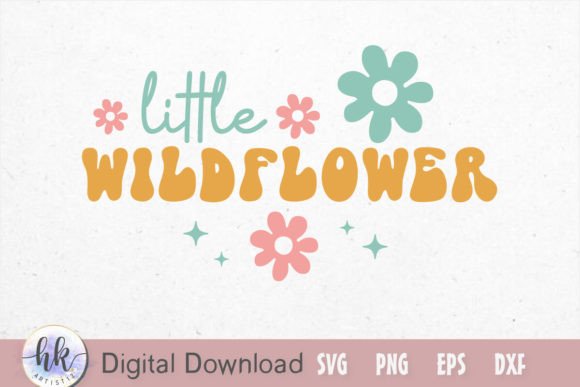
From a visual standpoint, Little Wildflower captures a specific nostalgic energy. The "baby retro" descriptor suggests a blend of vintage charm with modern simplicity. When I first opened the file, what struck me was the clean negative space. In embroidery, negative space is just as important as the stitch lines because it dictates where the fabric shows through. A cluttered design often looks messy once stitched, especially if the stitch density is high. This design feels airy yet substantial enough to hold its shape.
The theme leans heavily into organic, whimsical aesthetics. It creates a mood that is gentle, uplifting, and deeply personal. It feels like a design that belongs in a nursery, on a child’s first birthday outfit, or perhaps as part of a larger botanical collection for spring and summer apparel. The visual personality is friendly and approachable, which is exactly what buyers are looking for when they purchase handmade gifts. It does not scream for attention; instead, it invites the viewer to lean in closer. For an Etsy seller or small shop owner, this kind of subtle charm often converts better than overly complex or aggressive graphics because it feels authentic and heartfelt.
Real-World Application: Where Does It Shine?
To truly evaluate an embroidery file, we must imagine it on actual products. Let us consider a few scenarios where Little Wildflower would excel.
- Baby Clothes and Nursery Decor: This is the most obvious fit. Imagine this design embroidered on a soft muslin onesie or a cotton burp cloth. The retro style pairs beautifully with pastel thread colors like sage green, dusty pink, or butter yellow. It adds a touch of professionalism to basic baby items, elevating them from generic store-bought goods to thoughtful personalized gift options.
- Tote Bags and Canvas Goods: A tote bag design featuring Little Wildflower could be a standout item at a craft fair. On natural canvas, the contrast between the textured fabric and the smooth satin stitches (if used) creates a tactile appeal. It works well for grocery bags, beach totes, or book satchels, appealing to mothers and young adults alike.
- Applique Projects: If you are using this as an applique design, the clean outlines provided in the SVG format are crucial. You could cut out the flower shapes from contrasting felt or linen and stitch them down with a tight blanket stitch. This technique adds dimension and luxury to a simple handmade product.
- Holiday and Seasonal Gifts: While wildflowers suggest spring, the retro aesthetic allows for flexibility. In autumn, using warm terracotta and mustard threads transforms the same design into a cozy fall motif. It is versatile enough to serve as holiday embroidery for Easter baskets or Mother’s Day cards attached to small packages.
Technical Considerations and Stitch Behavior
As an experienced reviewer, I must address the technical side. How does Little Wildflower perform in terms of stitch density and detail? The file includes EPS, SVG, PNG, and DXF formats, which gives you flexibility depending on your software. However, the true test is how the stitch density holds up on different fabrics.
If you plan to use this on custom apparel like sweatshirts or t-shirts, ensure you are using a cut-away stabilizer. Retro designs often rely on crisp edges, and knit fabrics can distort these edges if the support is insufficient. The satin stitch along the petals and leaves needs to be tight enough to cover the fabric underneath but loose enough to prevent puckering. I recommend testing the thread colors carefully. High contrast between the thread and the fabric will make the design pop, while low contrast might cause the details to get lost, especially in smaller hoop sizes.
One area to watch is the running stitch or fill areas. If the design contains fine internal details, verify that the digitization (or the way your software interprets the vector) does not create overly dense clusters. Dense stitch areas can become stiff and uncomfortable, particularly on baby clothes. If the design feels too rigid after stitching, consider reducing the stitch length or simplifying the fill pattern. Always inspect small details before committing to a full production run.
Pitfalls and Precautions
No design is perfect for every situation. There are specific contexts where Little Wildflower might struggle. Avoid placing this design on highly textured fabrics like heavy tweed or boucle, as the needle may struggle to penetrate evenly, leading to skipped stitches. Similarly, thin or stretchy fabrics require extra care; without proper stabilization, the embroidery project may warp over time.
Be cautious with curved surfaces like caps or hats. While the design is likely scalable, fitting a 6x6 inch graphic onto the front panel of a baseball cap requires precise placement. If the curve is too pronounced, the center of the flower may distort. Additionally, if you are targeting customers who value durability, keep in mind that intricate designs with many color changes can wear faster with frequent washing. For items that need to withstand heavy use, such as kitchen towels or aprons, ensure the stabilizer is removed completely after stitching to maintain softness.
Final Verdict: Value and Versatility
Does Little Wildflower justify its place in your design assets? Absolutely. It offers a balance of aesthetic appeal and practical usability that is rare in digital downloads. For the Etsy seller or craft business owner, this design provides a ready-made solution for creating high-margin items. It enhances brand consistency by offering a recognizable, charming style that resonates with today’s market trends favoring nostalgia and nature-inspired themes.
Before you start producing, remember to check the licensing terms. Confirm whether you are allowed to sell finished products made from this digital embroidery file. Also, test the design in black and white mockups to ensure the composition holds up without the aid of color. By taking these practical steps, you protect your reputation and ensure that your customers receive a finished product that is both beautiful and well-crafted. Little Wildflower is more than just a graphic; it is a tool for creating meaningful connections through handmade art.