I Can Eat Solid Food Baby Milestone: A Designer’s Review
As a designer who spends half my life staring at stitch charts and the other half troubleshooting tension issues on a sewing machine, I approach every new digital asset with a mix of curiosity and skepticism. The market for baby milestone embroidery designs is saturated, but that doesn’t mean quality has disappeared. It just means you have to look closer. Recently, I’ve been evaluating I Can Eat Solid Food Baby Milestone, a design that promises to capture one of the messiest, most memorable stages of parenthood. This isn’t just another cute quote; it’s a potential staple for any craft business or personal project focused on early childhood documentation.
This review comes from the perspective of someone who actually stitches these files. I’m not looking at this as a static image on a screen; I’m visualizing how it translates to thread, fabric, and finished product value. If you are an Etsy seller, a boutique owner, or a hobbyist maker, read on to see if I Can Eat Solid Food Baby Milestone deserves a spot in your library.
First Impressions: Mood and Visual Personality
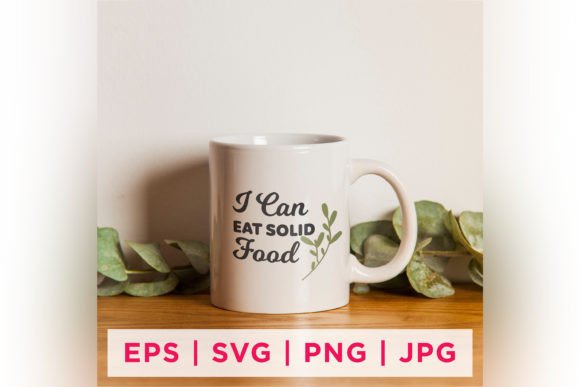
The moment I loaded the file into my digitizing software, the layout felt familiar yet distinctively modern. The phrase "I Can Eat Solid Food" carries a specific cultural weight—it’s humorous, relatable, and instantly recognizable to parents who have survived purees and avocado stains. Visually, the design leans into a playful, sticker-like aesthetic that fits perfectly within the current trend of casual, everyday luxury in baby apparel.
What stands out immediately is the balance between text and graphic elements. Unlike some designs that feel cluttered with excessive decorative flourishes, this one breathes. The typography is bold enough to be legible even after a few wash cycles, which is critical for longevity. The mood it creates is warm and inviting, suggesting a handmade product that is both sentimental and fun. For designers, this is key: you want a design that sells itself because it communicates emotion before the customer even reads the words.
Real-World Application: Where Does This Design Shine?
Let’s talk about actual use cases. In my recent workflow, I was preparing a batch of custom gifts for a client’s newborn shower. I needed something versatile—items that could be used daily but still felt special. I Can Eat Solid Food Baby Milestone proved to be an excellent candidate for several applications.
- Baby Apparel: The design scales beautifully on onesies, rompers, and bodysuits. When stitched onto soft cotton blends, the contrast of the thread against the light fabric highlights the details without overwhelming the garment. It works particularly well as a chest pocket placement or centered on the front of a sweatshirt.
- Tote Bags and Market Totes: There is a growing niche for "mommy bags" that are stylish rather than purely functional. Stitching this design onto a canvas tote adds a personalized touch that appeals to gift-givers. The durability of the embroidery holds up well against the rougher texture of canvas, provided you use the correct stabilizer.
- Kitchen Towels and Aprons: While often overlooked, kitchen linens are a high-margin item for craft fairs. The theme of eating solid food naturally bridges the gap between nursery decor and the kitchen. On a tea towel, the design acts as a charming piece of home decor that acknowledges the chaos of mealtime.
- Embroidered Patches: For those selling accessories, this design can be digitized as a patch. It looks fantastic sewn onto denim jackets, backpacks, or caps, adding a pop of personality to otherwise plain garments.
The versatility of this machine embroidery design makes it a strong asset for small shop owners looking to diversify their inventory without needing multiple unique designs. One file can drive sales across multiple product categories, from custom apparel to personalized gifts.
Performance in Different Stitching Scenarios
When evaluating any embroidery file, clarity is king. During my test runs, I noticed that the lettering relies heavily on clean lines, which suggests a combination of satin stitch for outlines and fill stitch for background elements. This combination ensures that the text remains crisp. However, the success of the final product depends heavily on your setup.
On smooth fabrics like microfiber or tightly woven cotton, the design performs flawlessly. The threads lay flat, and the colors pop. However, on textured fabrics like boucle or heavy terry cloth, the definition can get lost. In these cases, the visual appeal might suffer because the fabric absorbs the detail. Similarly, on stretchy knits, if you don’t use adequate tear-away or cut-away stabilizer, the hoop marks can distort the design, making the "I Can Eat Solid Food" message look wavy and unprofessional.
Where Caution Is Required
No design is perfect for every situation, and being honest about limitations helps build trust with your customers. Here are areas where I Can Eat Solid Food Baby Milestone requires careful handling:
- Small Hoop Sizes: If you are working with very small hoops (under 4x4 inches), you may need to scale down the design. Be wary of scaling too far, as tiny lettering can become illegible once stitched. Always inspect small details closely.
- Dense Stitch Areas: Check the stitch density in your software. If the design is overly dense, it can make the fabric stiff and uncomfortable, especially for baby clothes that will be worn close to sensitive skin. A stiff backprint on a onesie is a common complaint among buyers.
- Dark Fabrics: If you plan to stitch this on dark backgrounds, ensure you have a high-contrast thread palette ready. Light threads on dark fabric can sometimes require a backing layer to prevent show-through, which adds bulk. Test this on scrap fabric first.
- Curved Surfaces: While this design can work on caps, curved surfaces like hats or rounded pillow corners can distort straight lines. You may need to adjust the hooping technique or use a specialized cap frame to maintain the integrity of the text.
Impact on Brand and Customer Trust
For Etsy sellers and craft business owners, the presentation of your product is as important as the product itself. A well-executed embroidery design signals professionalism. When a customer sees that I Can Eat Solid Food Baby Milestone is stitched cleanly, with no loose threads or puckering, it reinforces the value of your handmade goods.
Furthermore, this design taps into the "shareability" factor. Parents love documenting milestones on social media. A photo of a baby wearing a shirt with this specific quote is likely to be shared because it’s funny and relatable. This organic marketing potential can boost engagement for your printable mockups and online listings. By offering a design that resonates emotionally, you are not just selling a product; you are selling a memory.
Practical Designer Notes for Implementation
Before you rush to produce a batch of finished products, keep these practical tips in mind to ensure the best results:
- Test on Scrap Fabric: Never assume a design will work on your target material without testing. Run a sample on the exact fabric you intend to sell. This helps you identify issues with thread tension, needle type, or stabilizer choice.
- Check Thread Color Contrast: Use your software’s color simulation tools to preview how different thread combinations look against your chosen fabric. High contrast usually yields the best readability.
- Review Stitch Density: Open the file in your digitizing program to check for unnecessary jumps or trims. If the density seems high, consider simplifying the design or using a lighter stabilizer to reduce bulk.
- Confirm Licensing: If you plan to sell finished items made from this design, double-check the license terms. Some digital embroidery files are for personal use only, while others allow commercial production. Respecting intellectual property is crucial for long-term success.
- Black and White Mockups: Sometimes color distracts from structure. View your design in grayscale to ensure the layout and spacing are balanced. This helps verify that the design works regardless of the thread colors you choose.
Final Verdict
I Can Eat Solid Food Baby Milestone is a solid addition to any designer’s toolkit. It balances humor with elegance, making it suitable for a wide range of handmade products. From sweatshirt embroidery to holiday gifts, this design offers versatility and emotional resonance. By paying attention to fabric choice, stabilizer usage, and stitch quality, you can create professional-grade items that customers will love.
Whether you are a seasoned pro or just starting your journey in commercial embroidery, this design provides a reliable foundation for creating memorable, high-quality products. Just remember to test thoroughly, respect licensing agreements, and always prioritize the comfort and safety of the end user. With careful execution, I Can Eat Solid Food Baby Milestone can become a bestseller in your shop and a cherished keepsake for families everywhere.