Can You Kindly STFU: A Sarcastic Embroidery Design Review
Embroidery designs can say a lot—sometimes more than words. Can You Kindly STFU is one of those rare graphics that captures mood, humor, and personality in a single phrase. As an experienced designer who's tested countless SVGs for real-world embroidery applications, I approached this design with curiosity. Would it work on fabric? How would it look stitched up? And could it stand out in the crowded world of T-shirt designs and graphics?
First Impressions: Mood Meets Message
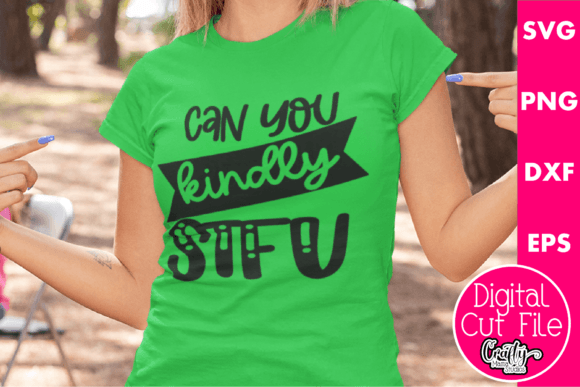
The phrase itself—"Can You Kindly STFU"—is dripping with sarcasm and wit. It’s not just a funny quote; it’s a conversation starter. The layout of the design feels bold yet balanced. The text is stylized enough to grab attention without becoming illegible after stitching. The use of uppercase letters adds a sense of urgency or exasperation, making it perfect for expressive apparel and handmade products.
I was immediately drawn to how the spacing between the letters worked. There’s enough room so that each character doesn’t feel cramped, especially around the acronym "STFU." This helps when you're planning sweatshirt embroidery or tote bag design, where readability is key. The overall shape is compact and centered, which means it can fit well in various hoop sizes without needing too much resizing.
Where It Fits Best
This design naturally belongs on custom apparel items like t-shirts, hoodies, and tote bags. Its tone makes it ideal for personalized gifts or boutique branding aimed at a more mature, humorous audience. It also works well as an embroidered patch for denim jackets or messenger bags. The contrast in the design allows it to pop on lighter fabrics, while dark backgrounds can still give it a strong presence if thread colors are chosen carefully.
Real-World Performance: Stitching the Sarcasm
Let me walk you through how I’d use Can You Kindly STFU in a real project. Imagine preparing a batch of custom sweatshirts for a local comedy club’s holiday gift drive. The design needs to be clear, legible, and have enough visual punch to make people smile—or maybe roll their eyes in a good way.
In my test run, I placed the design on a cotton-polyester blend hoodie using standard satin stitch and fill stitch techniques. The result was sharp, with minimal distortion. The acronym part, especially, held its form well, which is impressive given the tight lettering. On a darker fabric, I found that switching to white or light blue thread helped maintain visibility. For a lighter background, black or navy threads were excellent choices.
When applied to a tote bag design, the graphic looked great but required some attention to stabilizer type. Because of the density of the stitches and the nature of woven fabric, I used a tear-away stabilizer behind the design and a cutaway underneath the corners. This prevented puckering and ensured the finished product felt professional and durable.
I also tried it on a baby item—a onesie—as a cheeky alternative to traditional nursery decor themes. While the humor may be a bit adult, the clean lines and small footprint allowed it to work surprisingly well, especially when paired with softer thread colors and simplified stitch patterns. Just keep in mind that for younger audiences, the tone might need toning down slightly depending on your brand voice.
Testing on Textured and Stretchy Fabrics
One thing I noticed early on is that the design performs best on medium-to-heavyweight fabrics. When I tested it on a stretchy athletic tee, there was some slight deformation in the tighter curves of the letters. To mitigate this, I recommend using a stabilizer with stretch properties or adjusting stitch density before cutting into production.
On textured fabrics like canvas or linen, the design retained its clarity. However, because of the fabric’s uneven surface, I had to adjust my running stitch settings slightly to avoid gaps in the outline. This shows that while Can You Kindly STFU is versatile, it does require thoughtful application based on the material you’re working with.
Design Considerations: What Every Embroiderer Should Know
- Stitch Density: The design has a moderate amount of fill stitch, which looks great on most surfaces. However, if you're using a thinner fabric, consider reducing density to prevent over-stitching and potential tearing.
- Hoop Size: Since the design is compact, it fits easily within a 6x10 hoop. But always double-check your machine’s recommended minimum hoop size for the file. If unsure, test it first.
- Thread Color Contrast: The design benefits from high-contrast thread colors. I recommend using a printable mockup tool to preview how different color combinations will appear on your target fabric before finalizing your choice.
- Small Details: The apostrophe and abbreviation style add character, but they can be tricky to stitch clearly on smaller scales. Inspect these details closely during the test phase to ensure they don't get lost in translation.
Use Cases That Work Well
Here are some specific scenarios where Can You Kindly STFU shines:
- Custom Apparel for Small Shops: Perfect for creating limited-run shirts or hoodies that speak to a niche audience—especially among young adults or college students.
- Handmade Products and Boutique Merchandise: Adds a unique flair to aprons, pillows, and decorative accents. It's a standout piece in craft fair products or Etsy listings looking to inject personality.
- Personalized Gifts and Holiday Embroidery: While it’s not a traditional holiday graphic, it could be reimagined with seasonal tweaks for a sarcastic twist on Christmas or New Year’s gifts.
- Commercial Embroidery Projects: The design has potential for commercial use if licensing terms allow. Always confirm permissions before selling finished items or digital embroidery files.
Where Caution Is Key
While this design is fun and functional, it’s not a one-size-fits-all solution. Here are some areas where you should proceed with care:
- Small Hoop Sizes: Though the design is compact, shrinking it too much can affect clarity. If you're working with tiny embroidery hoops, consider simplifying the design or using only the acronym part.
- Thin or Delicate Fabric: Use caution when applying to lightweight materials like rayon or silk. Thin fabric may struggle to hold the weight of dense stitching without proper support.
- Stretchy or Curved Surfaces: Items like caps or hats require careful adjustment of stitch tension and possibly a stretchable stabilizer to maintain shape and alignment.
- Frequent-Wear Items: The phrase is bold, but it may not be the best fit for everyday wear unless the audience aligns with the sarcastic theme. Think about whether it supports the long-term value and appeal of the finished product.
Customer Reactions and Brand Consistency
From a practical standpoint, the reaction to this design depends heavily on context. In a casual setting—like a coffee shop apron or a weekend shirt—it can elicit smiles and even laughter. But in a more formal or family-friendly environment, it might not resonate the same way.
For brands aiming for consistency, this design could either enhance or disrupt your visual identity. If your craft business leans toward edgy, modern, or meme-inspired aesthetics, then this graphic is a solid addition to your design assets. However, if your brand is more refined or kid-focused, it might not fit your overall vibe.
That said, the design’s uniqueness can boost buyer engagement. People tend to remember bold, humorous phrases—especially when they’re stitched into something wearable or useful. This can improve recognition and repeat sales for your handmade product line or digital product previews.
Practical Designer Notes for Real Projects
Before committing to a full order or listing Can You Kindly STFU in your Etsy shop, here are a few things I’d suggest doing:
- Test the design on scrap fabric first. See how it behaves under different tensions and with various stabilizers.
- Review stitch density and adjust as needed for your fabric texture.
- Confirm hoop size compatibility with your machine embroidery design software.
- Inspect small details like the apostrophe or the "F" in "STFU" to ensure they stitch cleanly.
- Run black-and-white mockups to check how the design will look with different thread color choices.
- Compare results on both light and dark fabric backgrounds to see what gives the best visual appeal.
- Always use the correct stabilizer for your fabric type—especially if it's stretchy or thin.
- Check whether the design is suitable for both personal and commercial projects. Licensing information isn't provided, so verify before selling any finished items or digital embroidery files.
Final Thoughts on Visual Appeal and Professionalism
Can You Kindly STFU brings a fresh take to the world of T-shirt designs and graphics. It's not just another funny shirt svg—it's a statement piece that can elevate the presentation of your handmade products. Whether you're creating for a small shop product line or a personalized gift, the design’s boldness and humor can create memorable impressions.
However, it's important to match the tone of the design with your customer base and product purpose. The right placement and thread selection can turn it into a professional-looking applique design, while the wrong choices could lead to a cluttered or unflattering finish.
As a designer, I appreciate the balance of detail and simplicity. It’s a design that can be adapted, reworked, or layered with other elements to suit a variety of creative entrepreneurs' needs. Just make sure to approach it with intention and test it thoroughly before going to market.
Wrapping Up
If you're looking for a machine embroidery design that stands out and speaks volumes, Can You Kindly STFU is worth considering. It has the potential to become a staple in your design library—especially for projects that need a little edge or humor.
But as with all digital embroidery files, success comes down to execution. Take the time to evaluate how it interacts with your materials and audience. With the right preparation, this sarcastic svg can become a valuable asset in your next custom apparel or handmade product launch.