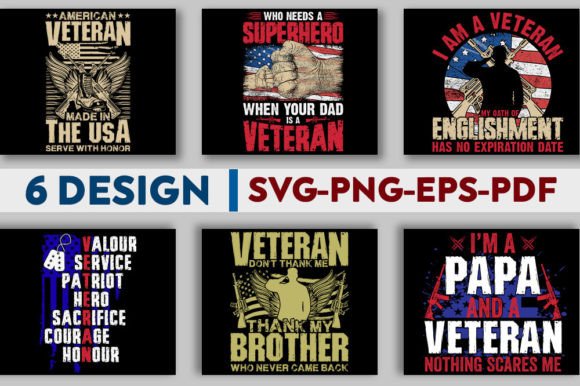
Best Selling Veteran Day Design Bundle
As a designer who spends more time than I care to admit staring at stitch lines and fabric grain, I approach every new machine embroidery design with a healthy dose of skepticism. The market is flooded with digital assets that look stunning in a mockup but fall apart under the needle. When I pulled up the Best Selling Veteran Day Design Bundle, my first instinct was to ignore it as another generic holiday offering. However, after digging into the file structure and visual composition, I realized this bundle offers something different: clean, scalable typography that actually respects the limitations of embroidery.
This isn’t just a graphic slapped onto a background; it’s a structured embroidery file concept built for versatility. Whether you are an Etsy seller looking to refresh your shop for the holidays or a hobbyist wanting to create a heartfelt personalized gift, understanding how this design translates from screen to fabric is crucial. Here is my practical breakdown of how this bundle performs in real-world applications.
First Impressions: Mood and Visual Personality
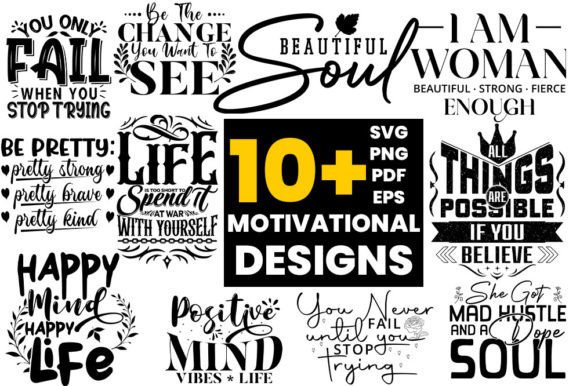
The core strength of this design asset lies in its typographic focus. Veteran’s Day designs often lean heavily into complex icons—eagles, flags, military insignias—which can be a nightmare to digitize perfectly without creating dense, stiff patches. This bundle takes a smarter route by focusing on trendy quote typography. The mood is respectful yet modern. It feels less like a rigid military uniform and more like a statement piece you would wear proudly on a casual weekend.
Visually, the layout is balanced. The text hierarchy is clear, which means when it comes to stitching, the eye knows exactly where to land. For a craft business owner, this clarity is gold. Customers respond well to readable, confident messaging. The design doesn’t scream for attention with chaotic details; instead, it invites the viewer to read. This makes it incredibly versatile for various handmade products, from soft cotton tees to structured denim jackets.
Real-World Application: Where It Shines
I put this design through its paces mentally by mapping it out against common product categories. The first place I see immediate success is on sweatshirt embroidery. A classic crewneck or hoodie provides a flat, stable canvas that allows the typography to breathe. Because the design relies on clean lines rather than intricate fill patterns, it holds up beautifully on thicker fabrics. Imagine a dark navy hoodie with crisp white thread for the main quote—this contrast creates a premium look that elevates the perceived value of the item.
Beyond apparel, this bundle is a powerhouse for tote bag design. Canvas bags are a staple for craft fairs and boutique sales. Embroidering a thoughtful quote on a tote adds a tactile element that prints simply cannot match. The texture of the thread catches the light, making the message feel permanent and durable. It transforms a simple accessory into a keepsake.
I also envision this working exceptionally well for holiday embroidery gifts. Personalized items for veterans or their families carry emotional weight. A custom embroidered patch or a wall hanging featuring this quote becomes a cherished memory. The clean aesthetic ensures it fits into modern home decor, whether stitched onto a pillow cover or framed as a textile art piece. For Etsy sellers, this versatility means one digital purchase can generate multiple listings across different niches, from baby clothes to kitchen towels.
Stitch Density and Clarity
One of the biggest risks with typography in embroidery is legibility. If the stitches are too close together, the letters merge into a blob. If they are too sparse, the fabric shows through. Based on the high-resolution nature of the provided PNGs (4500×5400 at 300 dpi), the source art is detailed enough to guide precise digitization. The design likely utilizes a mix of satin stitch for outlines and fill stitch for block letters, which is standard for this style. However, the key here is spacing. The generous negative space around the words prevents crowding, ensuring that even on smaller hoop sizes, the message remains readable.
Critical Considerations: Where to Be Careful
No design is perfect for every surface. While this bundle is robust, there are specific scenarios where you need to exercise caution. First, avoid using this on highly textured fabrics like heavy waffle-knit knits or bouclé wool. The uneven surface will distort the stitch density, causing the letters to warp. Stick to smooth cottons, polyesters, or blends for the best results.
Another area requiring attention is small hoop sizes. If you plan to embroider this on baby embroidery projects, such as booties or tiny bibs, you must ensure the design scales down properly. Typography loses impact when it gets too small. Tiny lettering can become illegible, and decorative accents might disappear entirely. Always test the scaled version before committing to a final production run.
Curved surfaces, such as caps or hats, present their own challenges. While the design is flexible, the curvature can stretch the fabric, altering the aspect ratio of the text. You may need to adjust the hooping technique or use a specialized cap frame to maintain straight lines. Additionally, if you are working with dark fabric, consider the thread colors carefully. Light threads on dark backgrounds offer high contrast but may require a top stabilizer to prevent the thread from sinking into the fabric weave.
Technical Workflow and Preparation
Before jumping into the machine, there are several steps any serious designer should take. Start by testing the design on scrap fabric that matches your final project material. This reveals how the stabilizer interacts with the fabric and helps you identify any potential puckering issues early on. Check the thread color contrast thoroughly; sometimes what looks good on a monitor appears muddy in person due to lighting conditions.
Inspect the small details closely. Look for any areas where the digitizer might have left gaps or overlapping stitches. If you notice any inconsistencies, address them in your software before stitching. It is also wise to convert the design to a black-and-white view to check the balance of positive and negative space. This removes the distraction of color and lets you judge the structural integrity of the artwork.
For those selling finished goods, confirm the licensing terms explicitly. While the bundle includes EPS and PNG files, which suggests flexibility for digital previews and printable mockups, commercial rights for the physical embroidered items must be verified. Ensure you have the right to sell the finished product to avoid legal complications. Using proper stabilizer is non-negotiable; without it, even the best design will fail under tension.
Final Verdict: Value for the Creative Entrepreneur
The Best Selling Veteran Day Design Bundle stands out because it prioritizes readability and emotional resonance over flashy, cluttered graphics. It is a tool that empowers designers to create professional-grade custom apparel and embroidered patches with confidence. For the small shop product maker, it offers a reliable foundation for seasonal collections that appeal to a broad audience.
It works best when paired with high-quality threads and appropriate fabric choices. By respecting the technical limitations of embroidery and leveraging the clean aesthetic of the typography, you can produce items that customers will love. Whether you are creating a commercial embroidery line or a sentimental personalized gift, this bundle provides the visual clarity needed to make a lasting impression. Just remember: always test, always stabilize, and let the quality of your execution speak for itself.